
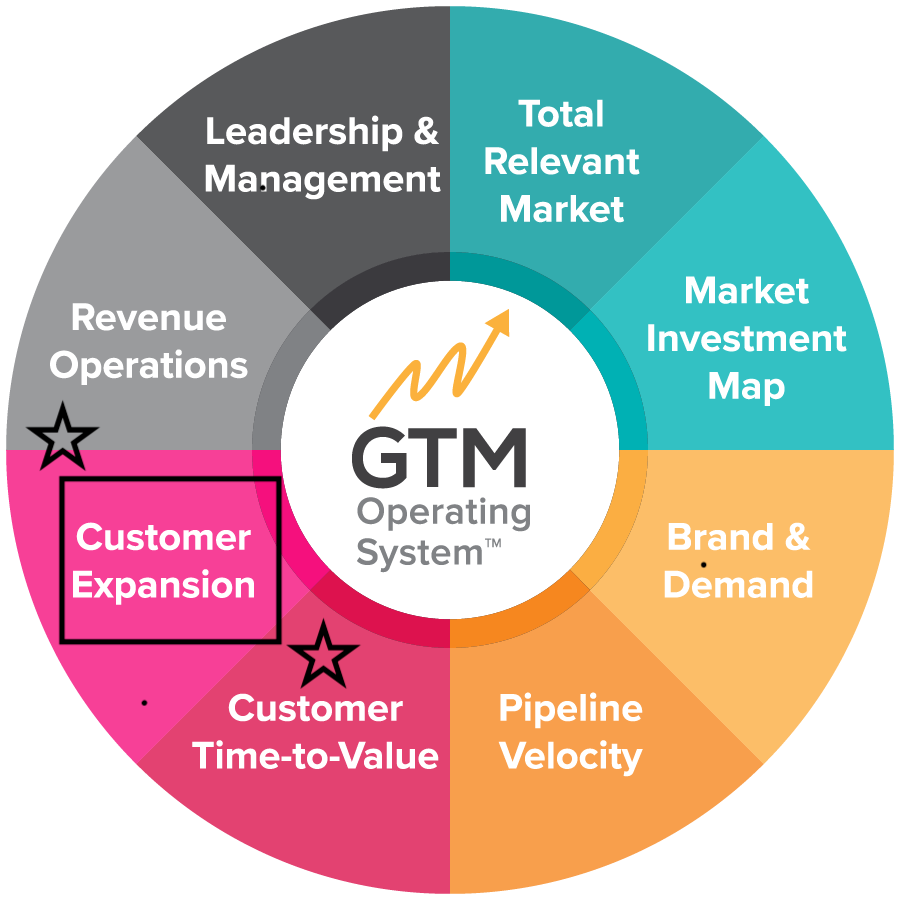
Customer Expansion: The Secret to Accelerating Revenue Growth
Software as a Service (SaaS) companies rode broad digitization trends at exactly the right time, and built a powerful economic model based on subscriptions.
After the initial sale, onboarding period, and consistent quality of service delivery, SaaS buyers continue to pay recurring fees, usually on a monthly basis. That recurring revenue compounds over time and scales growth faster than most equivalent businesses that depend on one-time transactions.
Not every business has a built-in subscription model, but the philosophy behind subscription applies to nearly every company: build a loyal customer base and retain it through a "subscription-like" approach that fits your business.
Demand Generation Has Two Parts (but Most Companies Only Think About One)
Every CEO says, "we need more leads," but this is often not the real marketing problem.
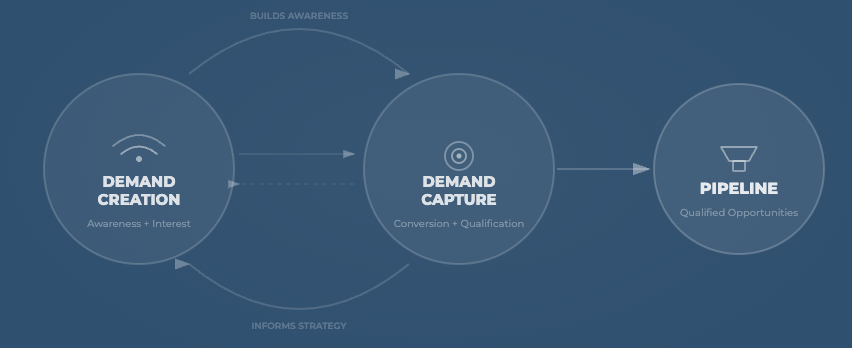
The larger issue is related to demand generation, and the reason many companies struggle with it is that they treat it as a single activity when it’s actually two.
Demand generation is the practice of building sustained, repeatable interest in your offering, and converting that interest into sales pipeline. Importantly, it has two distinct components: demand creation and demand capture.
Why “We Need More Leads” Is Often NOT the Key Marketing Problem
“We need more leads.”
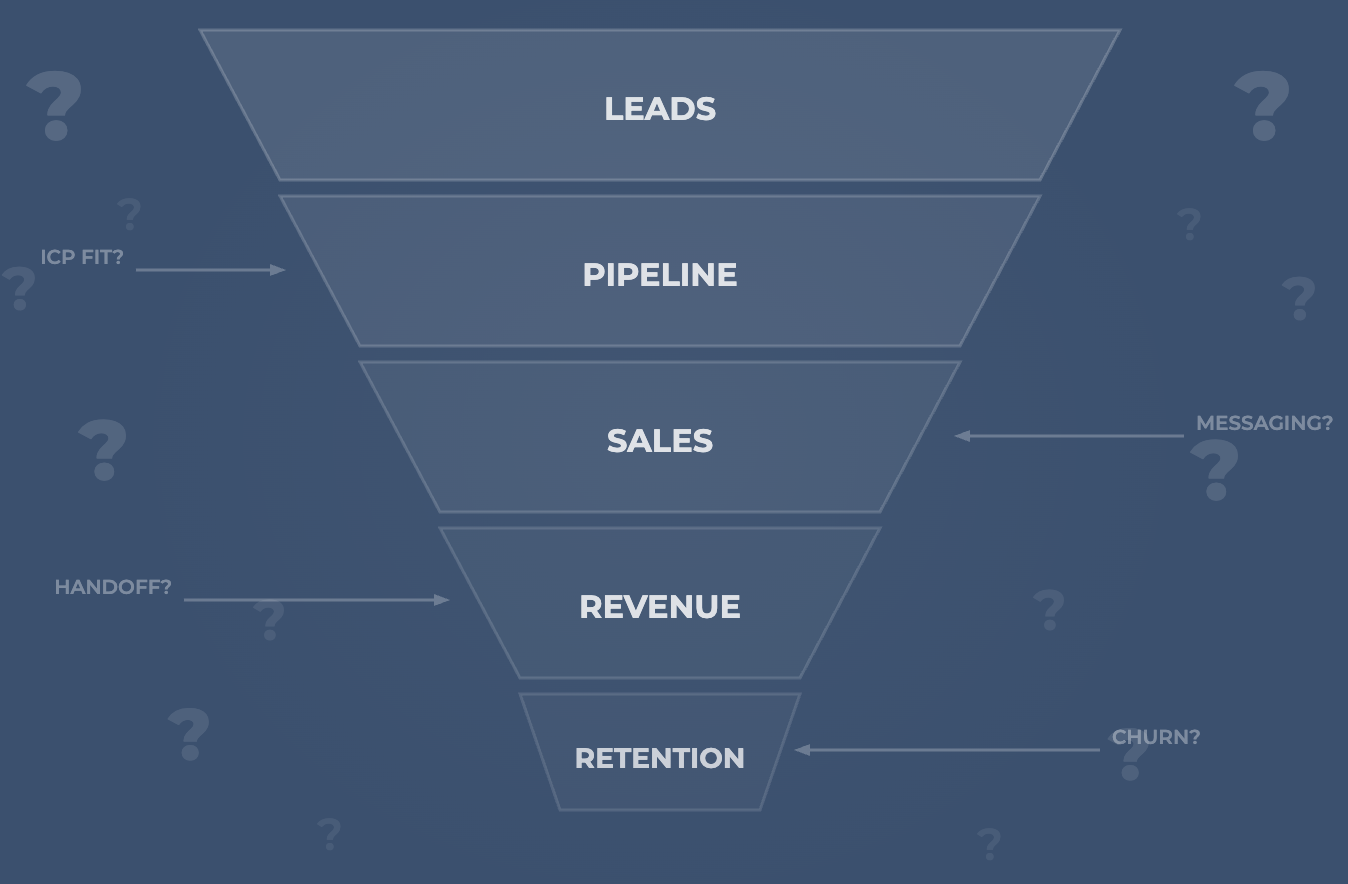
It’s the most common request I hear from CEOs and business owners when revenue isn’t growing the way they want it to. It makes sense on the surface, but in many cases, lead volume isn’t actually the problem. There are times when it’s a symptom of something deeper and more strategic, and pouring more leads into a system that isn’t working only amplifies the underlying issues.
Why Point of View is the Foundation of Your Brand
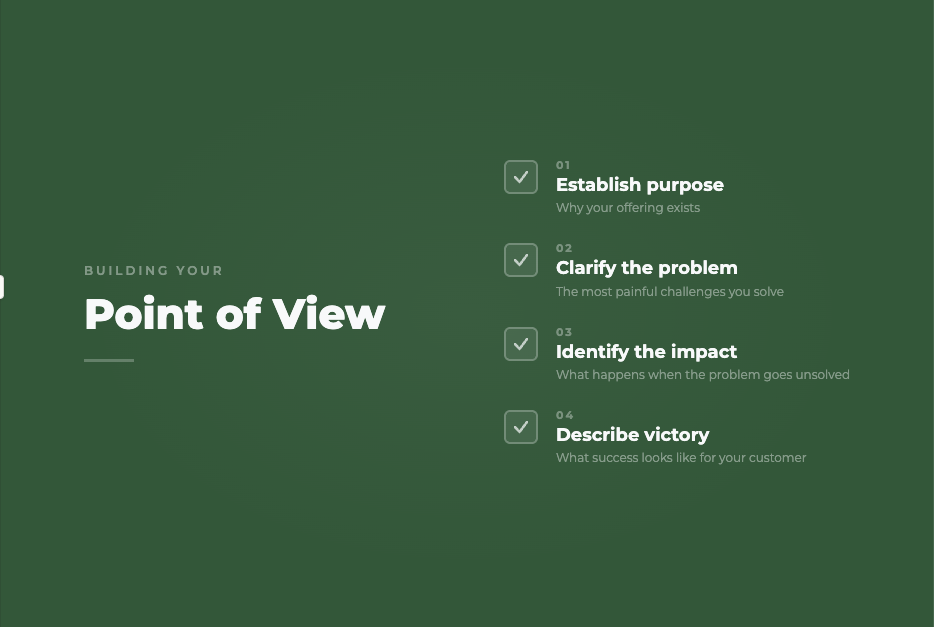
Your Point of View (POV) is the articulation of how a specific problem for your customers gets solved, told from the perspective of someone who fully understands the scope and impact of the problem.
A strong POV gives you credibility with your target customers, and over time it becomes the foundation of your company’s brand and content engine.
If your ICP tells you who to pursue, and your offering alignment tells you what to lead with, your POV tells you how to talk about it in a way that earns trust, creates differentiation, and drives action among your buyers.
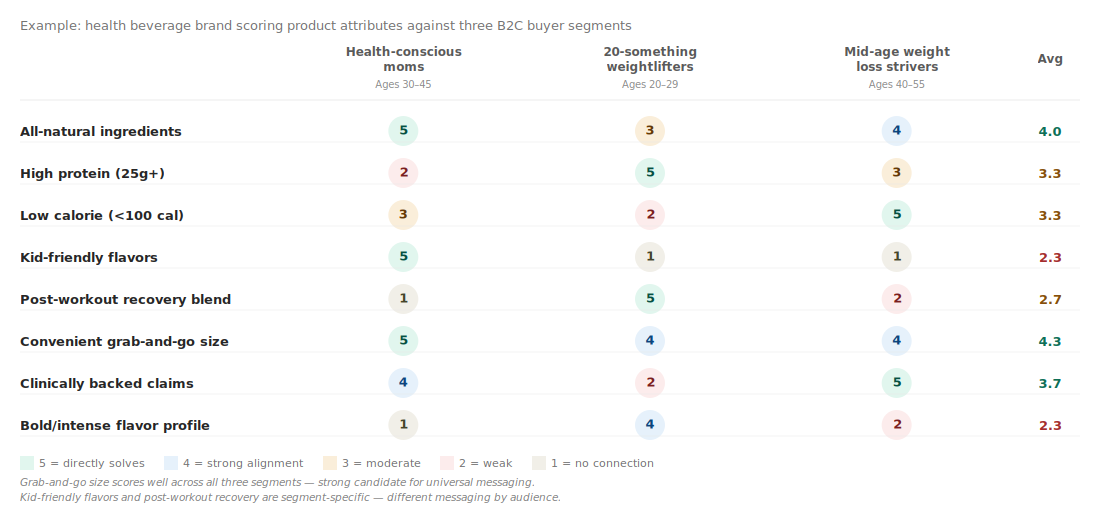
Do Your Offerings (Actually) Meet Your ICP’s Needs?
In our last post, we walked through what an Ideal Customer Profile (ICP) is, how to build one for B2B and B2C businesses, and where many companies go wrong in the exercise.
But defining your ICP is only the first step in developing a marketing strategy. The next question is just as critical, and it’s one that many companies spend very little time on:
Do your offerings actually meet the needs of the customers you’ve identified as ideal?
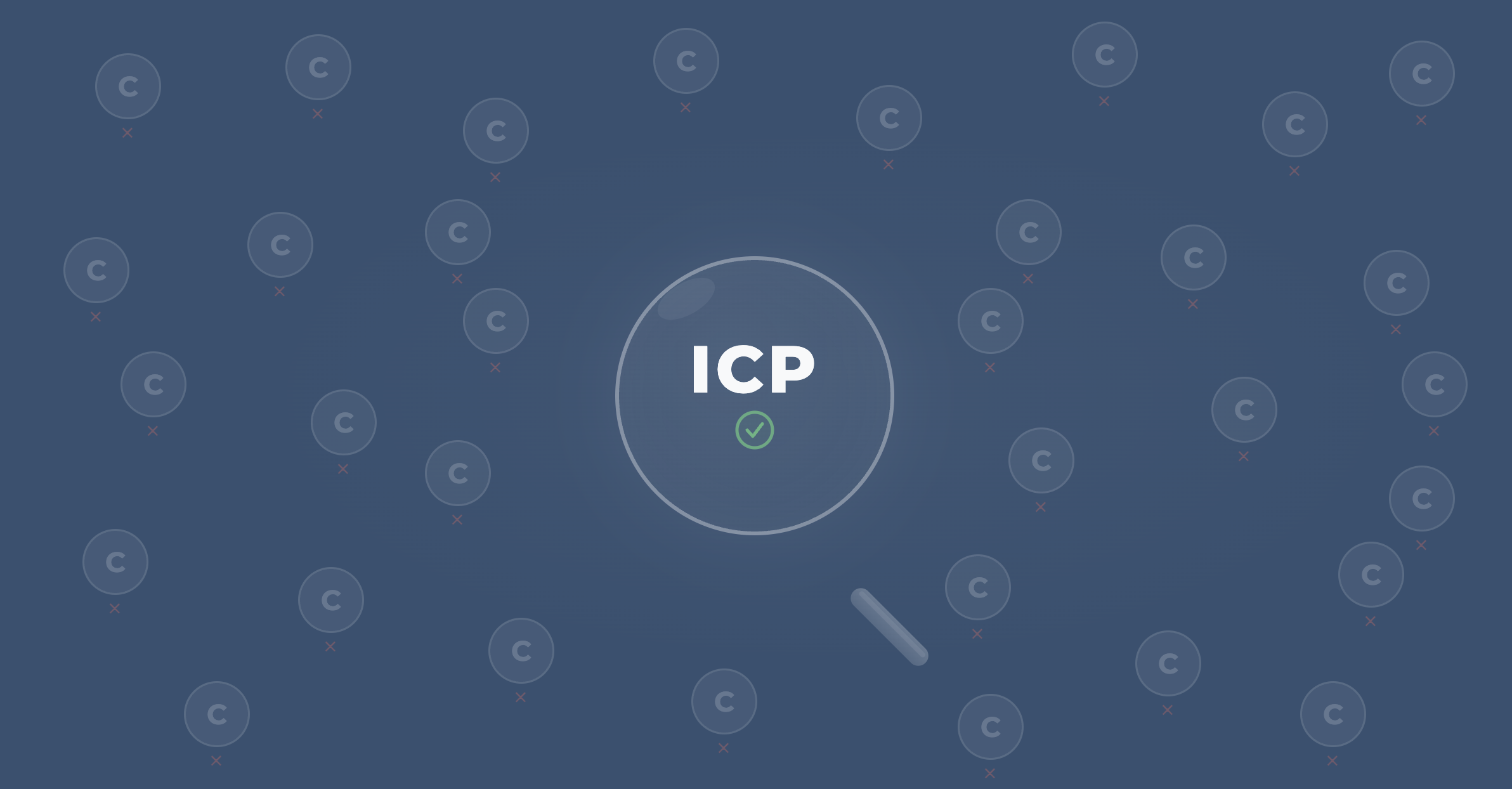
What Is an ICP (and What Do Most Companies Get Wrong About It)?
Understanding your customer is the single most important foundational decision in marketing. Every decision that follows — your messaging, your content, your channels for lead generation, and your sales process — is contingent on getting this right.
This is where the Ideal Customer Profile (ICP) comes in.
In this post, I’ll define what an ICP is, walk through how to build one for both B2B and B2C businesses, explain where most companies go wrong in the exercise, and share how to keep your ICP sharp over time.
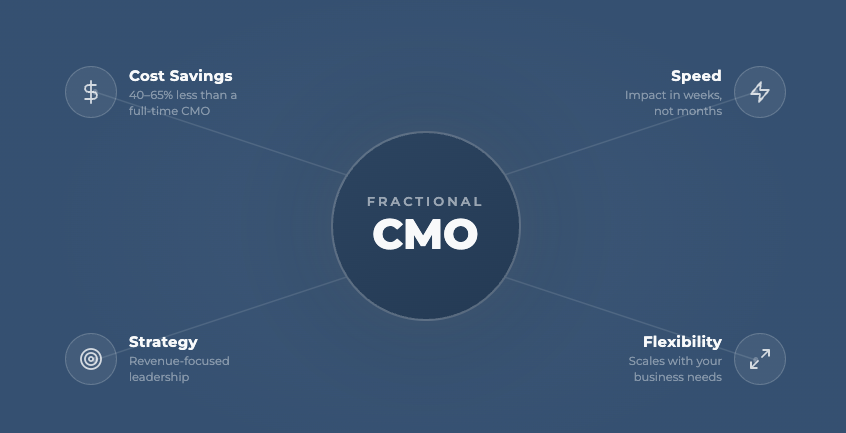
Why Would a Small Business Hire a Fractional Marketing Leader?
Many small and mid-sized businesses struggle with marketing leadership, but can’t afford to bring in an expensive full-time leader. Some CEOs have heard about the fractional model, but aren’t sure if it is right for them. In this post, I’ll explain what a fractional marketing leader does, why the model works so well for small and mid-sized businesses, and how to know if hiring one is the right move for your company.
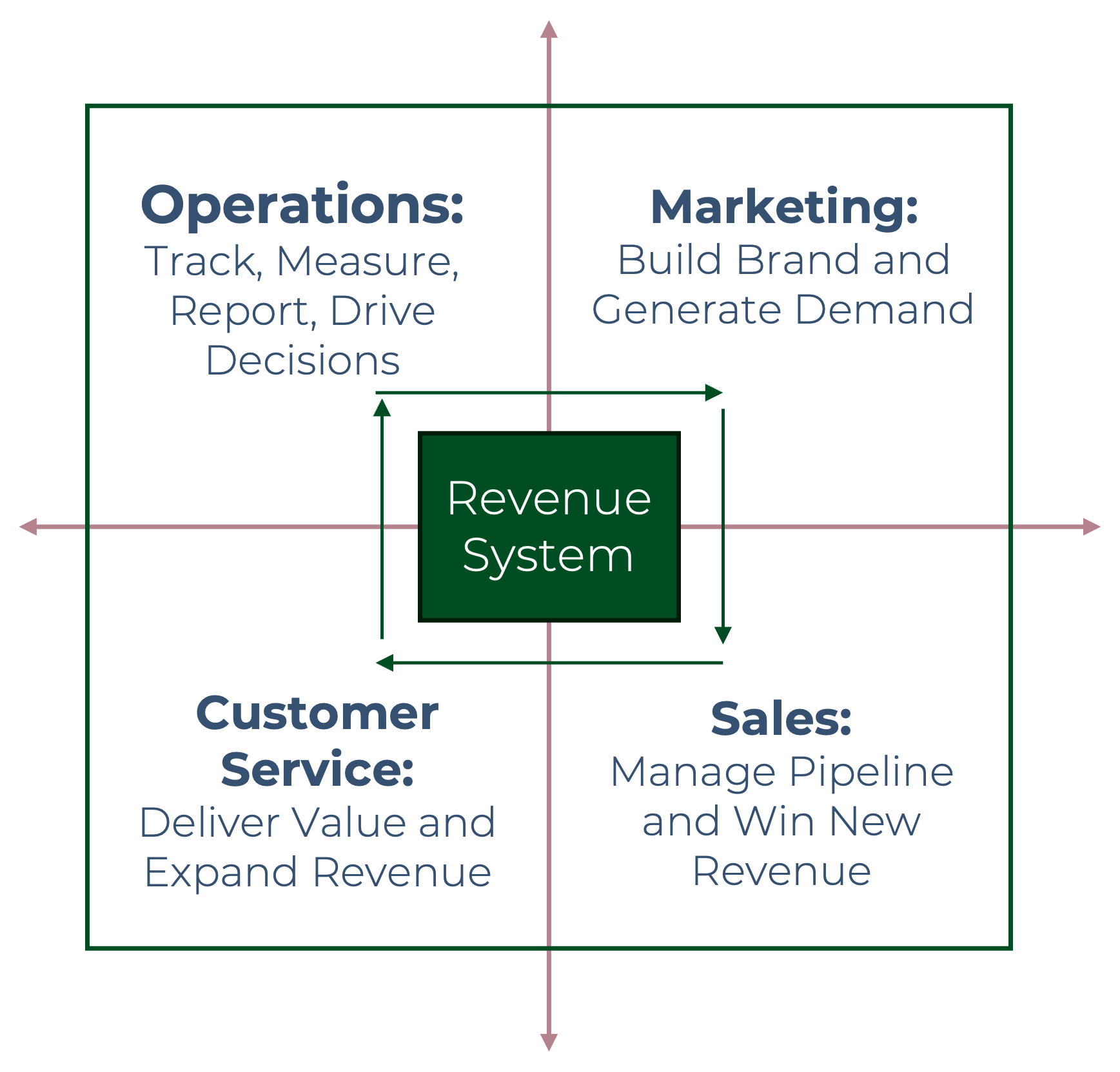
The Real Meaning of “Go-to-Market” (and What Most Teams Misunderstand).
Go-to-market (or GTM) is not a department. It’s not a launch plan. And it’s not a buzzword reserved for B2B SaaS and other technology-forward business models. It’s both the design and execution of a business’s system to generate revenue. The practice of GTM is for companies that want revenue to come in consistently, predictably, and at scale.
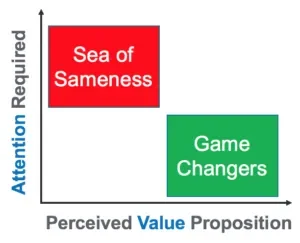
Three GTM Observations for 2026
Three important observations for both executive and revenue leaders to take heed of as they assess their go-to-market efforts.
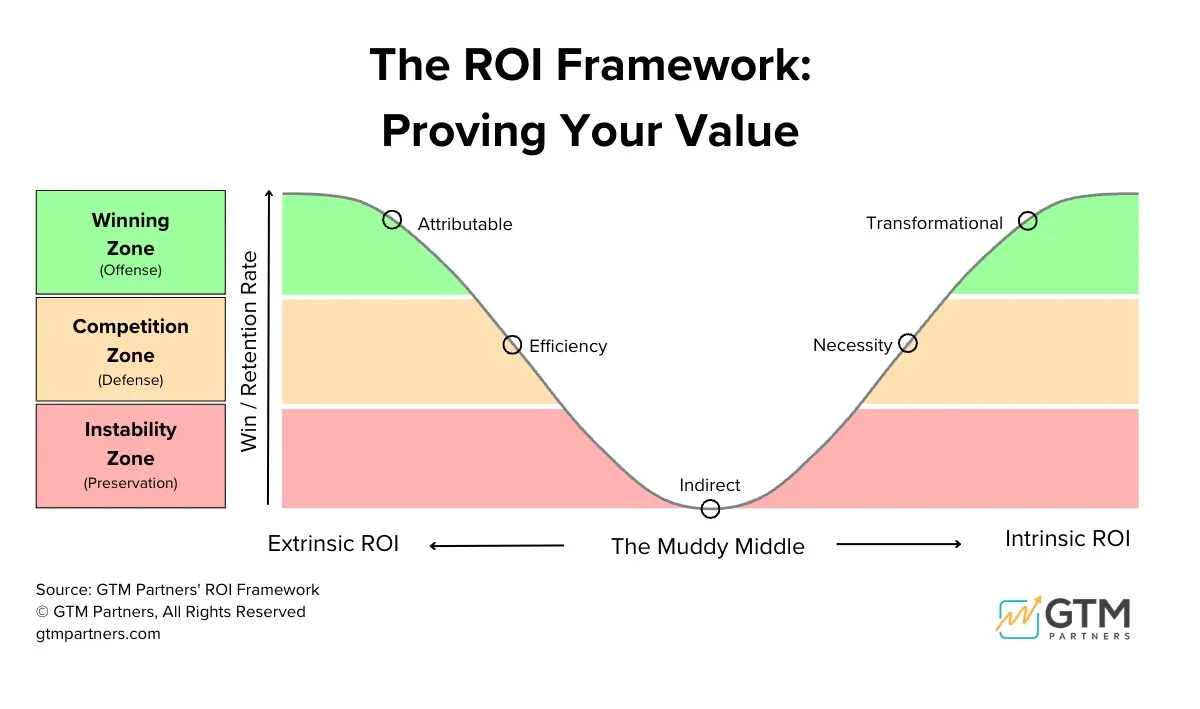
2026 is your “Prove It” Year.
2026 will be the “prove it” year for businesses. I examine some recent lessons from setbacks and how you can define and measure value for your customers.

Weekly Crossroads: the First Edition
Reviewing a flood of economic data, perceptions on AI comments, PepsiCo’s coming changes, and unique holiday gift ideas for your customers.